
Zinfandel vs. Primitivo: Are They Really the Same Grape?

This is one of those wine questions that sounds simple until you try to answer it. Someone sits down at the tasting room, they've heard both names, and they want to know: are Zinfandel and Primitivo the same thing? The short answer is yes, genetically. But the longer answer is the interesting one, and it's worth taking a few minutes to understand because it changes how you think about both wines.

I pour a lot of Zinfandel here at Shale Oak. It's a grape I genuinely love working with in the Paso Robles climate. So let me walk you through what these two grapes actually are, where they came from, and why a wine made from identical DNA can taste completely different depending on where it grew up.
The Genetics First
Zinfandel and Primitivo are the same grape variety. That was confirmed by DNA profiling in the 1990s, and it settled a debate that had been going on for decades in wine circles. But here's the part that surprised a lot of people: neither of them actually originated in California or Italy. The parent grape is Croatian, a variety called Tribidrag, also known as Crljenak Kastelanski, which has been growing on the Dalmatian coast for centuries.
The story of how one Croatian grape became Zinfandel in California and Primitivo in Puglia, southern Italy, is a genuinely interesting piece of wine history. Cuttings likely traveled through different trade and immigration routes during the 19th century, arriving in their respective new homes through separate journeys and under different names. By the time DNA testing caught up with the story, the two had been treated as distinct varieties for so long that the wine world wasn't quite sure what to do with the information.
Today, the official position of most wine governing bodies is that they're the same variety. In the European Union, Primitivo and Zinfandel can be listed interchangeably on labels under certain conditions. In California, Zinfandel is simply Zinfandel. But the wines themselves? They're not interchangeable, and that's where things get interesting.
Why They Taste Different
Terroir is the obvious explanation, and it's the right one. The same grape grown in completely different soils, climates, and farming traditions is going to produce a different wine. That's not a bug in the system, it's exactly the point.
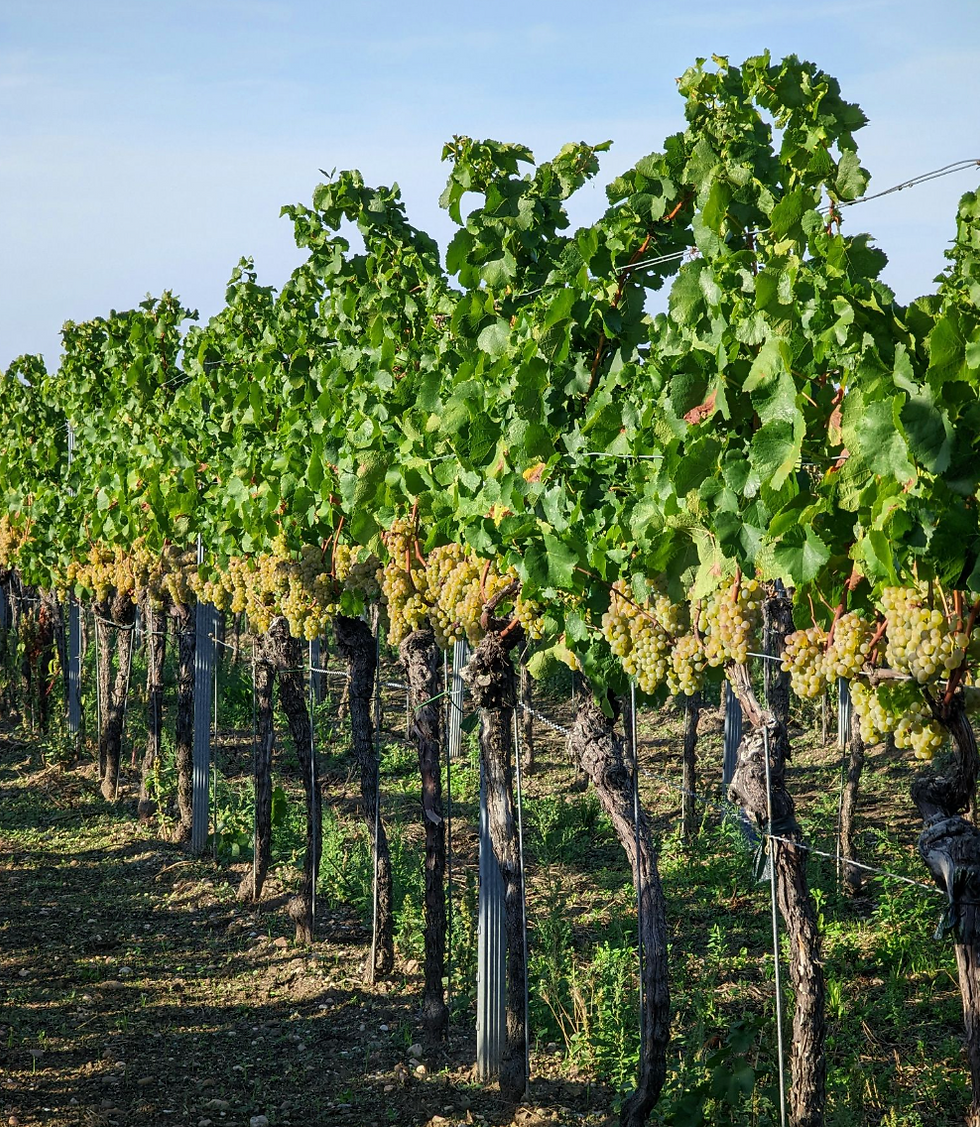
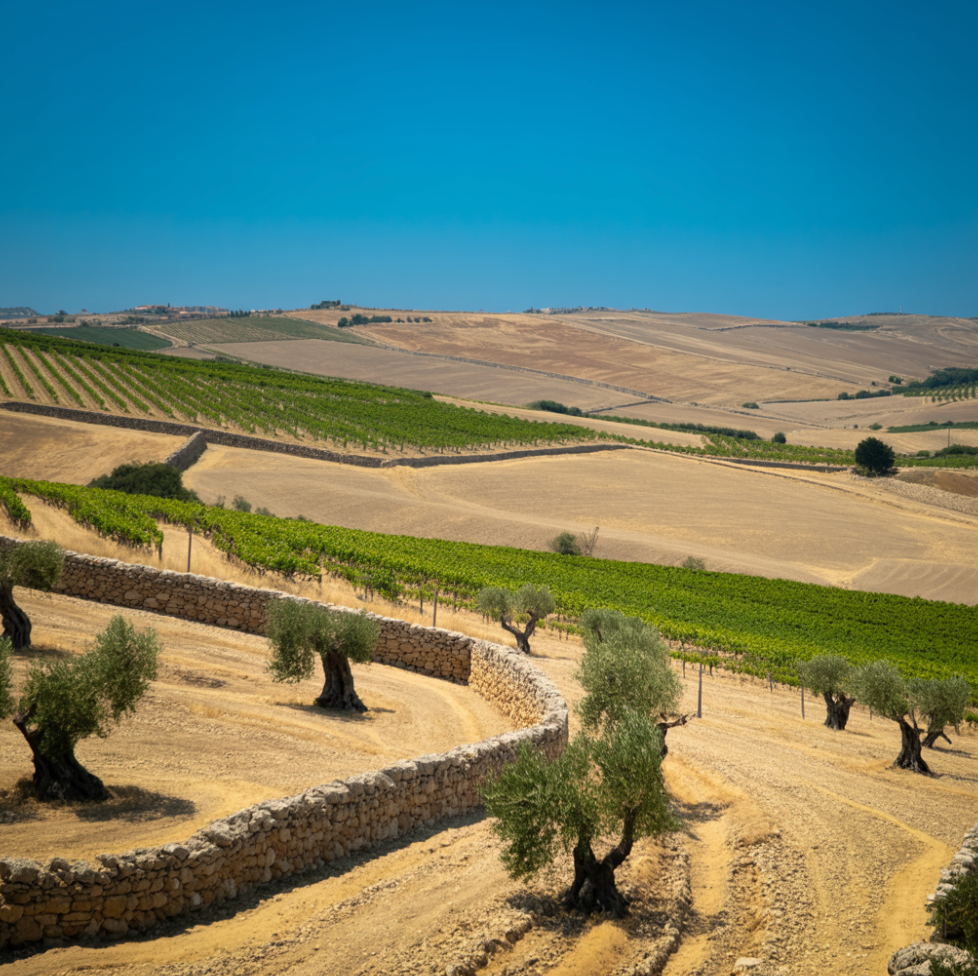
Primitivo in Puglia is grown in the hot, flat heel of the Italian boot, a Mediterranean climate with sandy soils, intense summer heat, and very little rainfall. The wines tend to be full-bodied, deeply colored, and high in alcohol, sometimes pushing past 14 or 15 percent. They're rich and jammy, with dark fruit and a rustic earthiness that reflects the landscape they came from. Primitivo is often harvested earlier than Zinfandel, which contributes to a slightly different flavor profile even in years when both wines are made in a similar style.
Zinfandel in California has more range. It shows up differently depending on where it's grown. Old-vine Zinfandel from the Sierra Foothills or Lodi tends to be concentrated and spicy with a wild berry character. Coastal Zinfandel can be lighter and more elegant. And Paso Robles Zinfandel, which is what we work with here, sits in its own lane entirely.
What Paso Robles Does with Zinfandel
Some of the most interesting Zinfandel being made in California right now is coming out of Paso Robles, and I think that's partly a terroir story and partly a generational one. Winemakers out here have gotten comfortable with the grape over the last few decades and figured out how to work with it rather than just let it do whatever it wants.
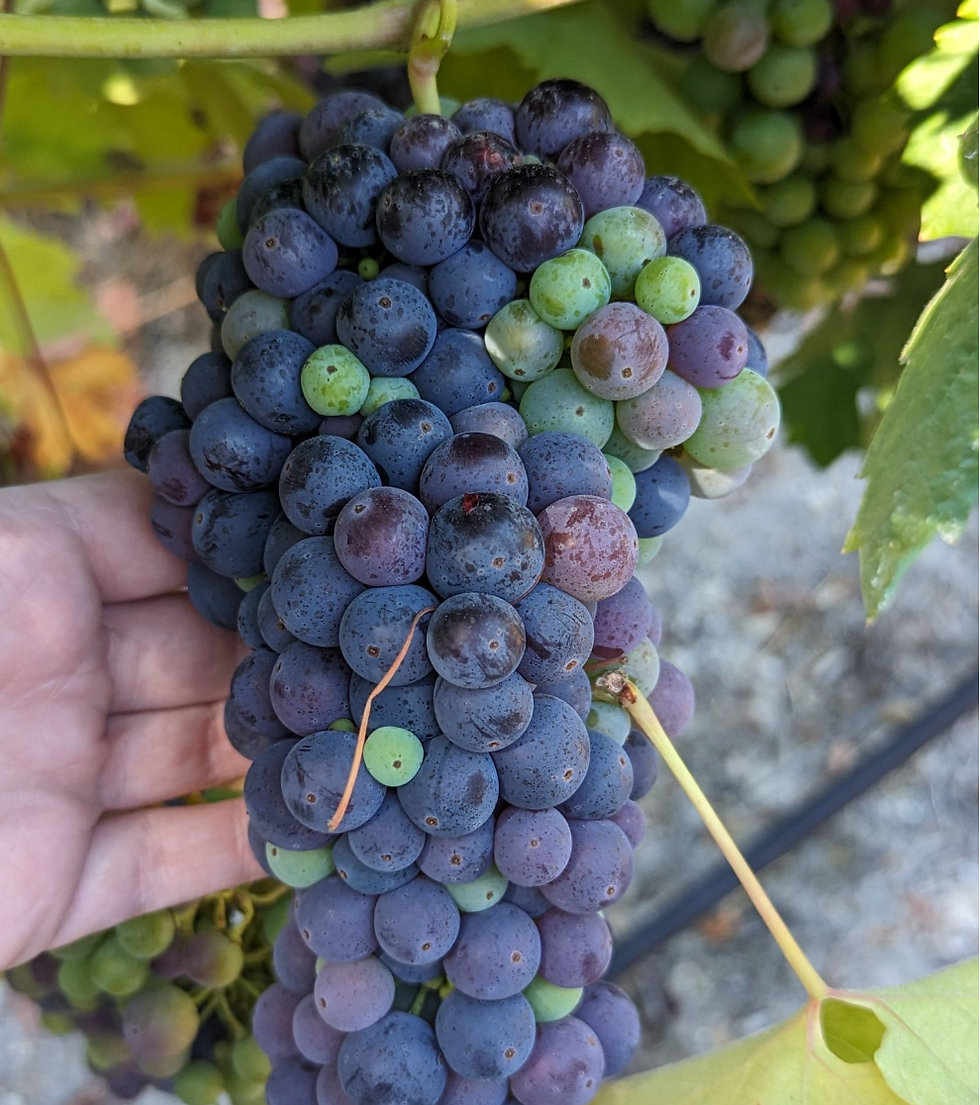
Zinfandel has a tendency to ripen unevenly, with some berries going raisiny while others are still underripe on the same cluster, and managing that in the field takes experience. If you want to understand how Paso Robles' climate and soils shape that kind of challenge across the region, our post on the eastside vs. westside terroir differences goes deep on how soil and temperature variation affects all our red varieties.
On the eastside, Zinfandel thrives in the warm alluvial soils and produces that big, generous style the grape is famous for. Some of the oldest Zinfandel vines in California are planted out here, head-trained old vines that have been in the ground since the late 1800s.
Old vine Zinfandel has a concentration and complexity that younger vines just can't replicate. The roots go deep, yields are naturally low, and the resulting wine has a density and character that makes you stop and pay attention.
On the westside, where Shale Oak is located, the calcareous soils and cooler afternoon temperatures tend to produce Zinfandel with better natural acidity and a little more restraint. Not light, this is still Paso Robles, but structured in a way that makes it more food-friendly and age-worthy than the typical Zinfandel profile.
Picking a Side: Zinfandel or Primitivo?
If you're a wine lover who enjoys bold, rustic reds with an Italian sensibility, Primitivo is worth exploring. It pairs naturally with the foods of southern Italy, braised meats, aged cheeses, tomato-forward pasta sauces.
The wines tend to be honest and unpretentious in a way that's easy to enjoy without overthinking.
If your preference runs toward American fruit character, spice, and versatility with food, California Zinfandel is hard to beat. And if you want to understand what this grape can do when it's pushed in a more serious direction, Paso Robles old-vine Zinfandel is where I'd start.
The genetics question is fun to debate, but the wines are their own thing. Just like how Petite Sirah and Syrah share family DNA but produce very different results in the glass, which we dug into in our post on Petite Sirah vs. Syrah, the variety label only tells you so much. Where the grape grew and who made the wine tells you the rest.
Zinfandel at Shale Oak
We grow Zinfandel on our estate in the Willow Creek District, and it's part of several of our blends, including our Ku, which pairs Zinfandel with Syrah, Grenache, and Petite Sirah for a wine that's complex and layered without being overworked. We also do a single-varietal Zinfandel in select vintages when the fruit is showing exactly what we want.
Come sit on our dog-friendly patio with a glass and you'll taste what westside Paso Robles does with this grape. Walk-ins are welcome, and we're open Thursday through Sunday at 3235 Oakdale Road.
Whether you call it Zinfandel or Primitivo, it's a grape with a genuinely interesting story behind it. And the best way to understand what that story tastes like is to pour yourself a glass of each and see for yourself.


@FNF Since Zinfandel clusters can ripen unevenly and Paso Robles’ eastside and westside produce different styles, how much of the final flavor difference comes from vineyard conditions versus harvest timing and winemaking choices?